
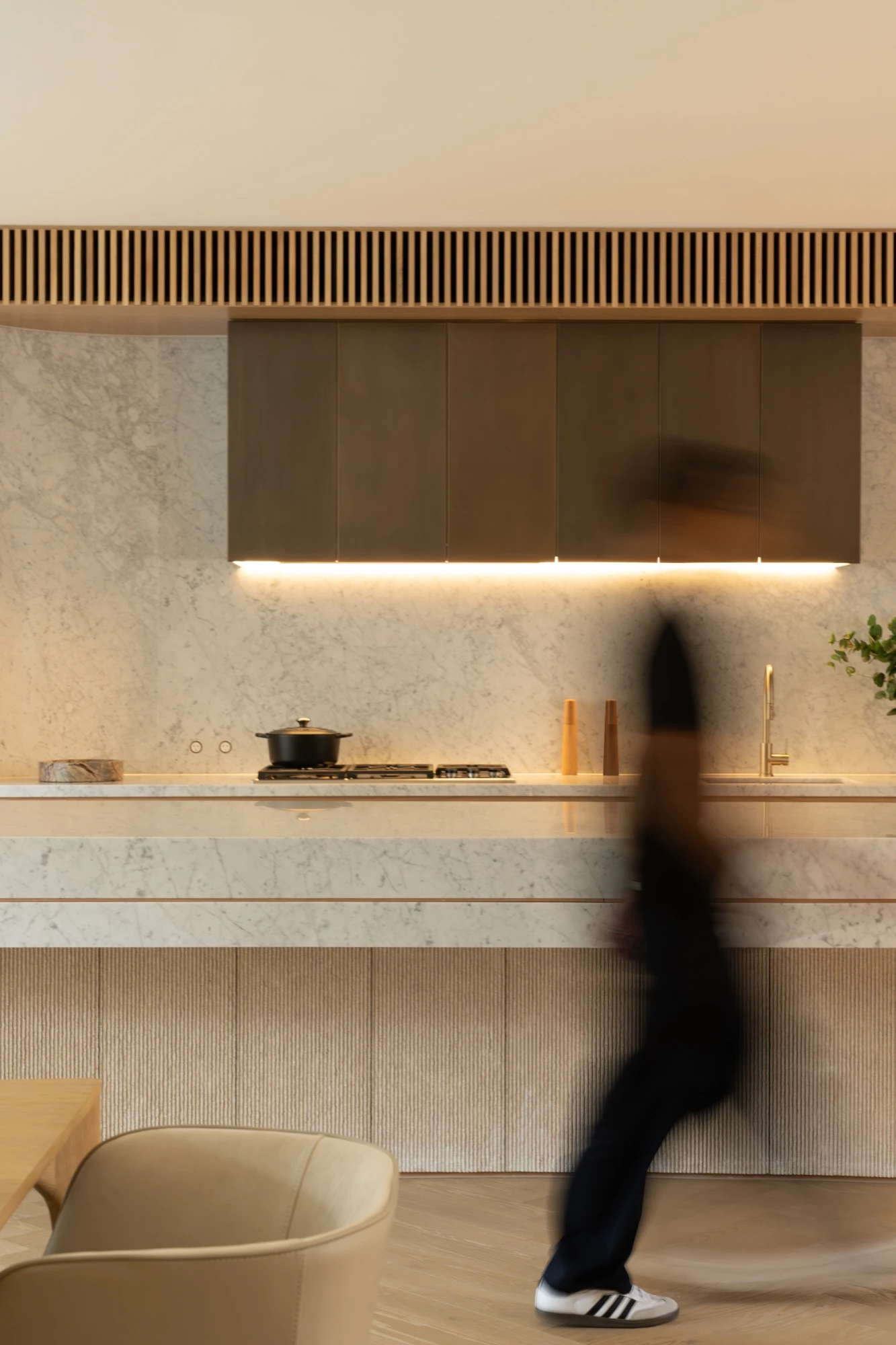
Home improvement projects like a new kitchen, landscaping or home renovation rarely start with an immediate purchase. Customers typically first spend time gathering ideas and inspiration, comparing options, researching suppliers and narrowing down what they’re after before committing.
What has changed is where this research is taking place. While search engines like Google are still part of the journey, social media, video and AI-powered tools are creating more ways to discover and compare home improvement brands. For brands, standing out means understanding where customers get their information, then giving them something worth finding in those spaces.
The home improvement customer journey has changed
For considered purchases like home improvements, the path from inspiration to purchase is rarely linear. A customer might discover a stone supplier on Instagram, use ChatGPT to understand what materials would suit their project, search Google to compare local suppliers, read reviews and visit a website several times before enquiring.
Every single one of these interactions serves its own purpose, and customers can move between them as they gather information and weigh out their options. AI tools have added yet another layer to this process, allowing customers to ask detailed questions, compare products, and explore solutions without ever reaching a business directly.
Brands in the home improvement space should work to connect that fragmented journey. SEO is still the foundation for discoverability across traditional and emerging search experiences, but a wider digital footprint is needed to build recognition and confidence in your brand, turning research into action.
What makes a home improvement brand stand out online?
As customers move through more touchpoints before making a purchase decision, having a strong digital presence should do more than put your brand in front of customers. The best home improvement marketing will help customers picture the outcome, answer questions as they arise, and make it easy to take the next step in the process.
Creating content worth stopping for
The home improvement industry is highly visual, but great content should do more than just look good. Homeowners want to visualise a product or finished result in their own space and understand what goes into achieving it.
High-quality photography and video content is just the beginning; it can show materials in real environments to help customers picture it in their own homes, while before-and-after shots, project stories and demonstrations offer context that a standalone product image can’t. Educational content helps to answer the practical questions that follow, from choosing materials to understanding installation and maintenance. Altogether, this provides customers with inspiration as well as useful information to support their decisions.
A simple way to plan your content is to consider what a customer might need at each stage of the buying journey: inspiration when they’re exploring ideas, useful information when they’re comparing brands, and proof of your expertise once they’re ready to buy.
Inspo we love: See how RMS Traders brings home improvement to life through social content.
Combining organic and paid social
Having a large following won’t guarantee the right people seeing your content. Organic social is a valuable tool for building a recognisable brand and engaging with your existing audience, while paid social helps your brand reach potential customers based on who they are, where they are and what they’re interested in.
The strongest approach is a combination of the two. Create organic content that resonates, then use paid media to strategically extend your reach beyond the audience you already have built.
Making the path to purchase easy
After you’ve captured someone’s attention, don’t make them work hard to take the next step. Making that process as simple as possible with clear navigation, detailed product information, useful imagery, and a strong mobile experience helps customers move from being inspired to making a purchase or enquiry.
How to leverage AI in the home improvement industry
AI is a powerful tool. When used strategically, it can help home improvement brands not only better understand their audience but also discover opportunities to make their marketing more useful.
Prompt and audience research
AI can help explore the questions, concerns, comparisons and terminology that customers may use when researching home improvement projects. You can change the audience in your prompt to see how needs may differ between audiences, such as a first-time renovator, a DIYer with experience, or a builder. These results shouldn’t replace real customer or search data, but can be used alongside them to highlight questions and angles worth exploring.
Content strategy
Use the insights you’ve gained to identify valuable content opportunities. Questions that surface often could become comparison guides, FAQs or videos, while common concerns might highlight information gaps from product or service pages. AI can help identify these opportunities, but what makes the resulting content credible and useful is your unique expertise, original projects, photography and knowledge.
What this strategy looks like in action
Case studies
Together, these areas of digital marketing can help to create a stronger customer journey, supporting growth beyond individual campaigns. Our partnerships with RMS Traders and Soilworx show what this looks like in practice.
RMS Traders
Since 2016, Red Herring Digital has supported premium natural stone supplier RMS Traders as a full-stack growth partner through an integrated digital strategy, including SEO, e-commerce, website development, analytics, content, and more. Following their website launch, user engagement increased by 123%, and their overall average ranking position on Google saw a 28% improvement, with a consistent increase in total traffic year on year. Read the full RMS Traders case study and see how we helped them 5X their revenue.
SoilWorx
In our partnership with SoilWorx, we combine SEO, organic and paid search marketing, PPC, and AI search visibility to attract the right customers at multiple stages of their research journey. Since 2024, paid search conversions have increased by over 4X while cost per conversion has nearly halved. Organic rankings have also strengthened, with average position improving 16% and organic clicks up 44% in the last 12 months. As search behaviour changes, we’re also seeing new opportunities emerge, with referral traffic from AI tools like ChatGPT growing to more than 20X the previous year.
Stand out where it matters
Customers have more ways to discover and compare brands than ever before, making it increasingly important to stand out at the right moments. Connecting these touchpoints with a digital presence that’s easy to find, useful during the research phase and memorable when it’s time to make a decision can help turn interest into action.
See where your digital marketing could take you. Book a complimentary digital marketing consultation with Red Herring Digital, no strings attached.